✨ Pupil Leadership at Dorothy Barley Junior Academy ✨
The School Council and Learning Council have always been a pivotal part of life at Dorothy Barley Junior Academy. From welcoming and supporting new pupils to confidently sharing the views and concerns of their peers with staff, these dedicated groups work tirelessly every day to ensure that pupil voice is at the heart of our school community.
Their commitment, responsibility, and enthusiasm make a real difference, helping to shape a positive, inclusive, and supportive environment for all. We are incredibly proud of the important role they play in making our school such a wonderful place to learn and grow.
Pupil Voice at DBJA
We ensure our children are involved in the design of their curriculum at DBJA. We have an active Learning Council who support school leaders across the school to develop, review and assess the impact of our curriculum. Their focus is on teaching and learning and they are called our Learning Council. Our active School Council support non-academic initiatives for example, Eco Schools and Anti-Bullying.
Our DBJA Learning Council
Our Learning Council at DBJA work alongside school leaders to support curriculum development. This means they may be involved in a number of academic initiatives for example, helping deliver parent workshops, reviewing marking & feedback policies, delivering assemblies focused on, for example, the use of targets to develop our learning. They may also be involved in gathering pupil voice responses about our curriculum and raising the profile of subjects through, for example, judging our writing competition. Within our Learning Council children help shape Maths, Literacy, Values and overall Curriculum aims. These children were voted using an application process and they decided what they wanted to achieve.
Our Current Learning Council Representatives are as Follows:
Year 3:
Literacy: Ian Radzius

Numeracy: Martel Opayemi
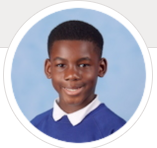
Wider Curriculum: David Grousu
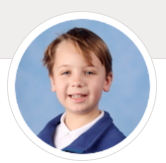
Sustainability: Ammarah Baporia
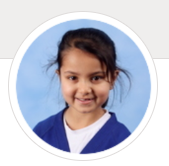
Year 4:
Literacy: Fatima Asim
Numeracy: Daniel Nuamah
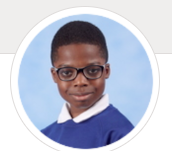
Wider Curriculum: Hassan Nabeel

Sustainability: Violet Clair
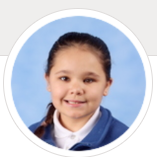
Year 5:
Literacy: Jack Berry

Numeracy: Jayasuriya Selvaraj
Wider Curriculum: Rosaline Kavili
Sustainability: Sophie Fackerell

Year 6:
Literacy: Hargun Singh Gill
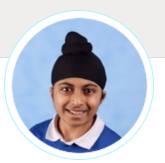
Numeracy: Damian Morkis
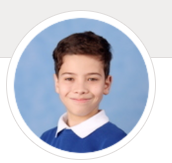
Wider Curriculum: Milana Ivanova
Sustainability: Harrison O’Riordan
Cherry:
Milad Khirollah

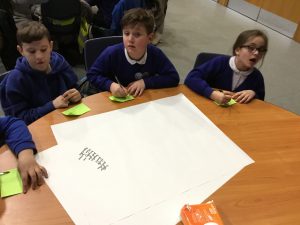
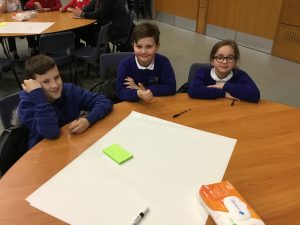
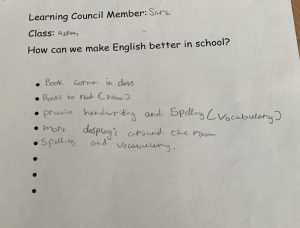
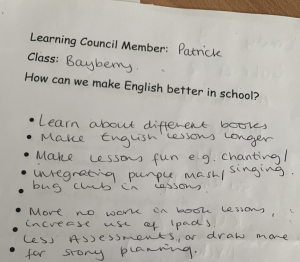
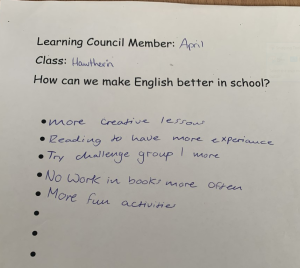
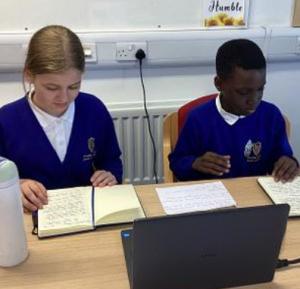
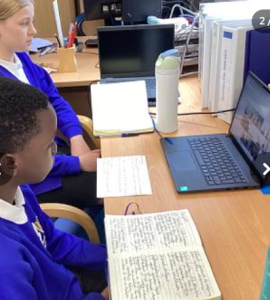
As part of thier roles the Learning Council have helped to decide the winners of the Anti-Bullying Competition and various Learning Value competitions. We have started looking at how to improve the curriculum and have asked our classes how to improve English. These are some of our class responses. Our next task is to think about how we will implement these changes into our lessons.
Our DBJA School Council
DBJA’s School Council gives our pupils a voice in our school community and to help them play an active role in shaping their environment.
🎯 Key purposes:
- Representing pupil voice
- Our School Council members gather ideas, opinions, and concerns from their classmates
- They share these ideas with our staff leaders so our pupils feel heard
- Improving the school
- They suggest and help plan improvements (e.g. playgrounds, events, behaviour systems)
- They contribute to decision-making on things that affect pupils’ daily experiences
- Promoting responsibility and leadership
- Our School Council helps develops key skills such as teamwork, communication, and confidence
- It encourages pupils to take responsibility for their school community
- Encouraging democracy and inclusion
- Our School Council teaches our pupils about voting, fairness, and representation
- They ensures all voices, including quieter pupils, are considered
- Supporting a positive school culture
- Our School Council help to organise events, campaigns, and initiatives
- It promotes kindness, respect, and a sense of belonging
Pupil Parliament
REAch2 Academy Trust’s Pupil Parliament is a student leadership group that brings together representatives from different schools within the trust to ensure that pupil voice is heard at a wider, trust-wide level.
🎯 What it is:
A Pupil Parliament operates much like a real parliament, but across multiple schools. Pupils are selected after a successful application process to represent their school and work collaboratively with others from across the Trust.
🏫 Its purpose:
- Amplify pupil voice across all schools in the Trust
- Share ideas, experiences, and best practice between schools
- Influence trust-wide priorities and decision-making
- Lead or contribute to projects that improve education, wellbeing, and community
- Develop leadership, confidence, and communication skills in pupils
🌍 Why it matters:
In a large trust, thousands of children are part of the community. A Pupil Parliament ensures that these voices are not lost, but instead are heard, valued, and acted upon.
Our Current Represetatives are:
Ademide Opayemi

Klaudija Aleknaviciute
Celebrating the Recent Achievements of Our Learning Council, School Council and Pupil Parliament:
🌍 Community Day of Action – Litter Pick
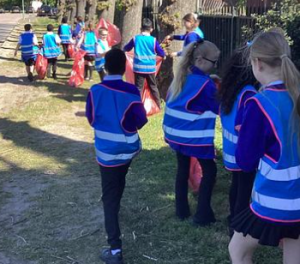
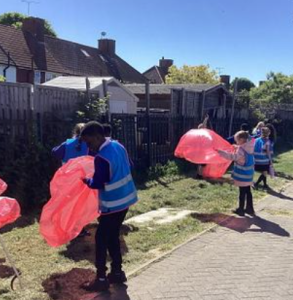
They took part in a Day of Action on Lodge Avenue and the surrounding roads, supporting a community litter pick. This was a fantastic opportunity for pupils to show pride in their community and to showcase our school.
🐝 School Food Matters – Honeybee Programme (2026)
We were incredibly proud to announce that, following a successful application, DBJA won a place on the School Food Matters Honeybee Programme for 2026.
With over 50 schools applying, we were one of the successful schools selected!
This exciting project included:
- A whole school assembly to introduce the programme
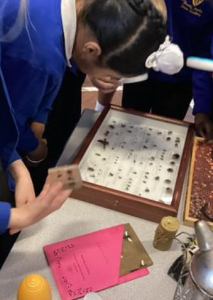
- A Beekeeping Visit to School
The London Beekeepers Association visited for the day, delivering sessions.
Sessions explored:
- Honeybees and other bees
- Bee anatomy, life cycles and nests
- The importance of bees in food production
- Bee products, including honey
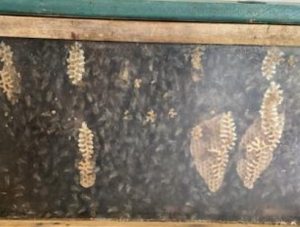
🐝 Live bees were brought in using an observation hive!
- Bee Friendly Planting Visit
A gardener visited for two hours and led workshops, helping pupils plant bee-friendly plants provided by the programme. - Visit to a London Apiary
Our children visited a working apiary, wore bee suits, and watched a hive being opened.
🍽️ Food Waste Project Assembly
The Learning and School Council delivered a whole school assembly, sharing their findings and learning from the Food Waste Project they had recently taken part in. This helped our school community think more carefully about waste and sustainability.
We were so proud of our Learning and School Council and the positive impact they continued to make. What an exciting summer term it was! 🌱✨
🌟 Year 6 Pupil Parliament Meeting – Reach2 Trust 🌟
Year 6 pupils from across the Reach2 Trust came together for an exciting Pupil Parliament meeting to explore the question: Can AI keep you safe?
The children shared thoughtful ideas, asked challenging questions and listened respectfully to different viewpoints. They discussed how AI can help keep people safe online, spot dangers more quickly and support learning, while also considering the importance of using technology responsibly and protecting personal information.
It was wonderful to see our pupils demonstrating confidence, collaboration and critical thinking as they represented their schools so maturely. A fantastic example of pupil voice in action and a great opportunity to prepare our children for the digital world they are growing up in. 💬🤖✨
Well done to Marcel and Klaudija for representing our school so well! 👏
Over the years, the School Council focused on making Dorothy Barley Junior Academy an Eco-School!
Eager to complete this difficult task, the School Council completed an Environmental Review of the school. In this review, they assessed the school against 10 important topics. These topics included Biodiversity, Energy, Light, Global Citizenship, Water, Waste, Transport, School Grounds, Marine, Litter and Healthy Living. The purpose of the Environmental Review was to help the School Council decide which areas we needed to target first.
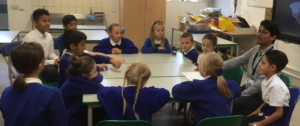
After much intense debate, the School Council agreed upon 3 main areas: Biodiversity, Waste and Litter.



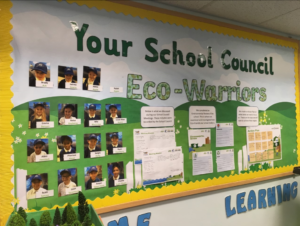
Since then, the School Council have created an Action Plan to meet these targets, all of which can be viewed on the new School Council Board.
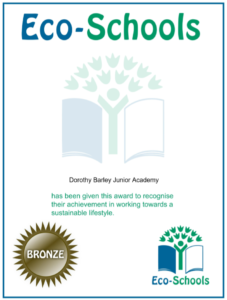
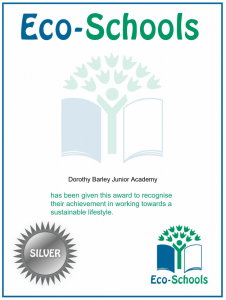
As a result of their amazing work, the School Council have achieved the Bronze and Silver Eco Award! They now only have a few more steps ahead of them before they attain the final Green Flag Eco Award. To do this, the School Council will be working hard by creating a new Eco Code for all students and teachers to follow. They will also be gathering student feedback via surveys to ensure all the changes made have a positive environmental impact.
Walk to School
Dorothy Barley Students take part in an initiative called ‘Walk to School’. Children are encouraged to walk, cycle and scooter to school whenever possible. There are many benefits to walking everyday with children becoming healthier and more environmentally conscious. Every day, class teachers record the method of transport for each child. If a child is able to walk to school at least 3 times a week for a whole month, they earn a special Walk to School Badge!
Every month, there is a different badge to collect with 12 different designs to be collected with each badge designed by children from all over the country.
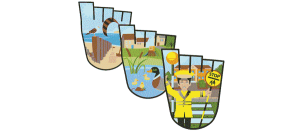
All Dorothy Barley Students wear their badges with pride. We look forward to DBJA students completing the year with all 12 badges!
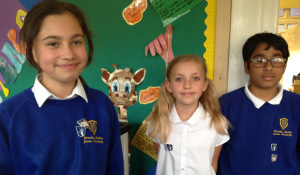
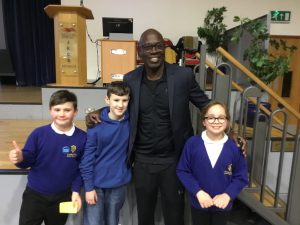
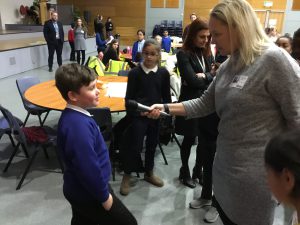
In March 2022, the School Councilors at Dorothy Barley Junior Academy were given an amazing opportunity to attend Barking and Dagenham’s first ever Climate Summit for children and young people. The Summit was led by Votes for Schools and was linked closely with the development of the borough’s zero carbon Roadmap. The children were given the chance to contribute their ideas on how they think we can tackle climate change locally and how to make Barking and Dagenham greener and cleaner than anywhere else in London. They found out that the Government wants the whole of the UK to be carbon neutral by 2050 in comparison to Barking and Dagenham who would like to be carbon neutral by 2030. The children learnt about what Barking and Dagenham council are doing to tackle these problems and the six areas that they are focusing on. These include; buildings, transport, waste, nature, energy and companies. The children were asked their opinions on what they considered to be a major issue in our local area and came up with some examples on how to overcome these. The school councilors also had the opportunity to meet former professional rugby player Martin Offiah and listen to him make a speech about how they can make a difference and improve climate change in our local area.